How AI is reshaping everyday jobs, and what students and colleges need to do about it
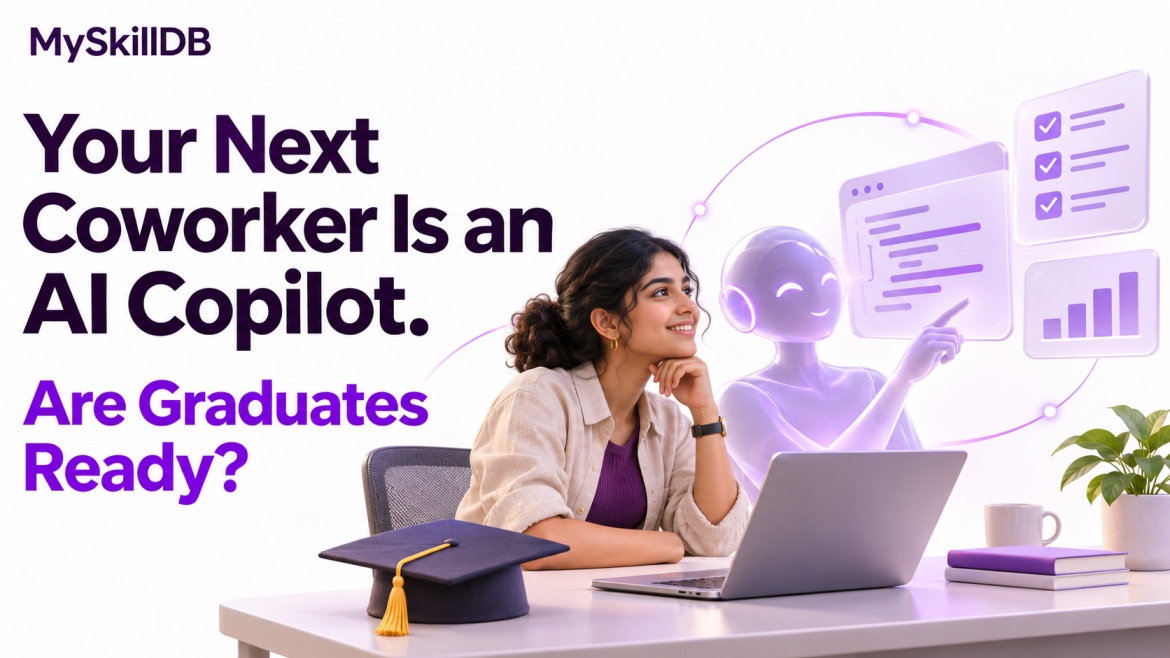
A year ago, AI at work meant asking a chatbot to polish an email. Today it means something much bigger.
Marketing teams run ad campaigns with AI copilots that write the copy, pick the keywords and adjust bids. Weekly reports that took an analyst half a day are generated by internal systems before the team logs in on Monday. Sales teams tell an AI to "log this call, update the pipeline and book a follow-up," and it simply happens.
This is the new wave of AI-assisted work. It is changing which jobs exist and what employers expect from the people they hire.
From "AI that answers" to "AI that acts"
The first wave of workplace AI was about information. You asked a question and got an answer, a draft or a summary.
The second wave is about action. AI copilots now connect to the tools employees use every day: ad platforms, email, calendars, CRMs and spreadsheets. They don't just suggest what to do. They do it, with a human approving the important steps.
The difference shows up clearly in a real workday.
A day in the life: the account manager
Meet Priya, an advertising account manager handling online retail brands. Every Monday she sends each client a weekly performance review.
The old way (4–5 hours): She exports campaign data, cleans it in Excel, builds pivot tables, hunts for what changed, writes commentary, designs slides and drafts the client email. By lunch she is exhausted, and she hasn't thought strategically once.
The new way (under 1 hour): Priya uploads the raw data to her AI copilot and asks it to compare the week with the previous one and flag anything unusual. Within minutes it finds the story: returns dropped because two best-selling products went out of stock, not because of poor bidding.
Then she adds what no AI could know. The client is running a festival promotion next week, and a competitor just cut prices.
Next, she gives one instruction:
"Pause ads on the out-of-stock products, move that budget to our top three performers, and draft an email to the client explaining the change."
The copilot pauses the campaigns, shifts the budget within limits Priya has set, drafts the email for her approval, sets a reminder to restart the ads when stock returns, and logs every change.
Priya spent her morning on the question clients actually pay for: "What should we do next?"
It's happening in every department
- Sales: "Update this lead to Demo stage and schedule a follow-up for Tuesday."
- HR and recruitment: "Shortlist applicants who meet these criteria and send them the assessment link."
- Finance and operations: "Every Monday at 9am, pull last week's numbers and send me a summary."
- Customer support: AI resolves routine tickets and escalates the complex ones to a human, with the full history attached.
In each case, AI takes over the execution layer of the job: the repetitive clicking, compiling and formatting. Humans keep the judgment layer: deciding, persuading, prioritising and taking responsibility.
The uncomfortable truth for freshers
There is a catch, and graduates need to hear it.
The tasks AI is absorbing fastest are the ones traditionally given to entry-level employees. Compiling reports, building basic campaigns, data entry and first drafts were how freshers learned the job. That bottom rung of the career ladder is getting thinner.
Companies now expect new hires to arrive with something closer to day-one judgment:
- Can you interpret data, not just compile it?
- Can you delegate clearly to an AI tool and check its output critically?
- Can you explain a recommendation to a client or manager with confidence?
- Do you understand the business context well enough to know when the AI is wrong?
A graduate who can only do what AI now does in five minutes will struggle. A graduate who can direct AI and add judgment on top becomes valuable from day one.
The new skills employers are looking for
- AI fluency. Knowing how to give clear instructions, break a task into steps and review results. Prompting is the new typing.
- Analytical thinking. Reading a dashboard and explaining why something happened and what to do about it.
- Communication. Turning insights into clear emails, presentations and conversations. AI can draft, but people trust people.
- Domain knowledge. Understanding how a business actually works, from marketing to sales to operations.
- Responsible judgment. Knowing what should never be automated without a human check, such as client communication, money and sensitive data.
None of these replaces the fundamentals. They sit on top of them.
What this means for colleges and placement cells
Many curricula still prepare students for roles that are quietly shrinking. Placement readiness can't stop at a polished resume and a mock interview anymore. Students need to show recruiters they are ready for an AI-assisted workplace.
That means:
- Skill mapping against what today's job roles actually demand, not what they demanded five years ago
- Hands-on exposure to AI tools in real work scenarios
- Resumes that highlight capability, not just coursework
- Continuous tracking of each student's readiness, so gaps are fixed before placement season
How MySkillDB helps
MySkillDB is an AI-powered placement assistance platform built for colleges and recruiters. We help institutions understand where every student stands, close skill gaps early, and connect job-ready graduates with the right employers.
The workplace has changed. Placement preparation should too.
Want to see how MySkillDB can prepare your students for the AI-assisted workplace?
👉 Book a demo
AI won't replace graduates. Graduates who know how to work with AI will replace those who don't.
Someone in your group chat needs this 👀
If it helped you, it’ll help them. Send it in one tap.
Comments 0
Sign in with Google to join the conversation.
Sign in with Google